The Next Editing Revolution: How YouTube’s Future Tools Could Replace Full Studios
YouTube has always been a playground for creative experimentation, but we’re now entering a phase where its built-in tools may rival what professional studios offer. With advances in AI video editing, automated post-production, real-time effects, and voice synthesis, creators could soon manage entire workflows without stepping outside the platform. This shift raises an exciting possibility: what happens when YouTube isn’t just a distribution hub but a full-scale production suite?
AI-Driven Editing Takes Center Stage
The rapid evolution of YouTube’s AI features hints at a future where creators can craft polished videos with minimal manual editing. Imagine uploading raw footage and having the system instantly offer a clean cut, color correction, and a suggested soundtrack. Some creators aiming to scale quickly might even buy YouTube subscribers from trusted providers as they prepare to take advantage of these new tools and reach wider audiences. As automation becomes more intuitive, the barrier between amateur and professional content continues to shrink.
Real-Time Effects Could Replace Entire Crews
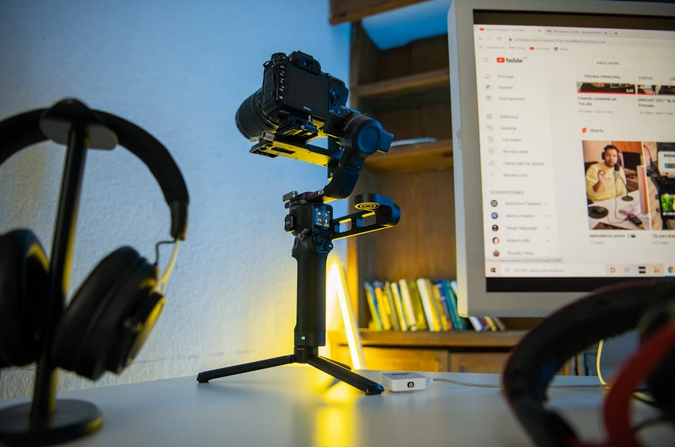
Visual effects once required a team of specialists, expensive software, and hours of manual labor. Future YouTube tools may instead allow creators to apply cinematic filters, motion graphics, or environment changes in real time. With AI capable of recognizing backgrounds, lighting, and subject positions, creators could swap scenes, insert virtual props, or enhance footage on the fly. This level of accessibility means even beginners can build visually rich videos without hiring outside help.
Voice Synthesis and Dubbing Will Rewrite Global Reach
Language has always been a hurdle for creators who want to expand internationally, but YouTube’s emerging voice tools could change that completely. AI dubbing may soon allow videos to be translated into multiple languages while retaining the original speaker’s tone and style. This kind of seamless localization used to require costly audio engineers and translators, but automated systems will make global content production the norm. More creators could find themselves with audiences they never expected to reach.
Automated Thumbnails and Titles Will Streamline Creativity
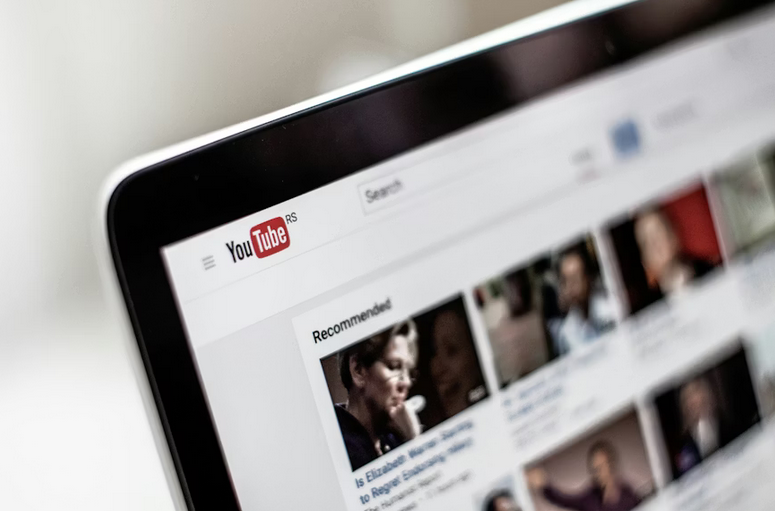
It’s no secret that thumbnails and titles can make or break a video’s performance. YouTube is already testing systems that generate thumbnails based on viewer preferences and engagement data. Combined with smart title recommendations powered by search analytics, creators could refine their branding instantly. The time saved on these essential tasks frees them to focus on storytelling and experimentation rather than constant optimization.
Seamless Collaboration Tools May Redefine Teams
As YouTube integrates more cloud-based collaboration features, creators may no longer need third-party project management tools or external editing platforms. Shared timelines, AI-assisted feedback, and multi-user editing could become standard. This would make it easier for small teams—or even creators spread across continents—to work together in a unified environment. The ability to synchronize projects directly within YouTube blurs the lines between home studios and professional editing bays.
YouTube’s upcoming editing and production tools point toward a future where creators can produce studio-quality content with nothing more than a camera and an internet connection. As AI automation becomes more powerful and integrated, the platform could transform into a complete creative ecosystem, giving everyday users access to capabilities that once belonged only to professional studios. The next editing revolution is already unfolding, and it’s clear that YouTube is positioning itself at the center of this dramatic shift in how content gets made.